Bunny Lover: A Bold and Thick Display Font for Creative Projects
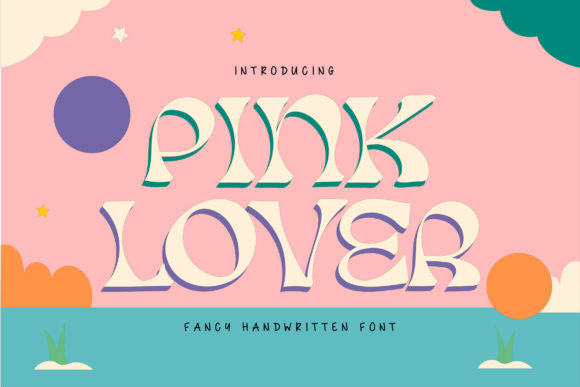
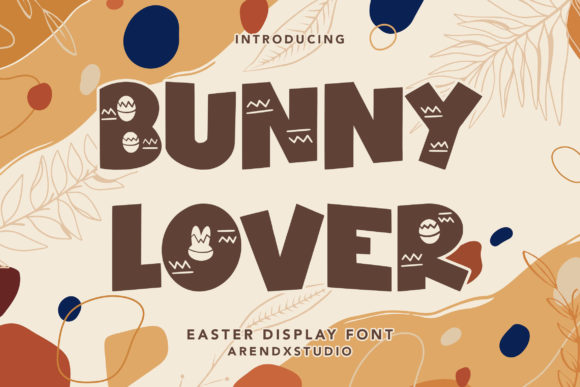
As I opened a new brand board for a local café, I knew I needed something that would stand out. Bunny Lover, a cool, bold, and thick lettered display font, immediately caught my eye. It has a strong personality that can make any design pop, and I was eager to see how it would perform in a real branding project.
Bunny Lover for Café Branding and Menu Design
Starting with the café logo, Bunny Lover's thick, bold letters created a striking and memorable mark. The font’s playful yet robust style perfectly captured the café's vibrant and welcoming atmosphere. I then moved on to the menu design, where Bunny Lover's readability and visual impact made it an excellent choice for section headers and key menu items. The font’s PUA encoding also allowed me to access all of the glyphs and swashes, adding a touch of elegance and uniqueness to the design.
Bunny Lover in Social Media Graphics and Web Design
Next, I tested Bunny Lover in social media graphics and web design. For Instagram posts, the font’s bold and cool aesthetic made the content more engaging and visually appealing. On the café’s website, Bunny Lover was used for the hero section and main headings, creating a strong visual hierarchy and drawing attention to key information. The font’s thickness and boldness made it easy to read, even at smaller sizes, though I recommend using it sparingly for longer text to maintain readability.
Bunny Lover for Packaging and Product Labels
When it came to packaging and product labels, Bunny Lover did not disappoint. I designed a series of coffee and pastry labels, and the font’s thick, bold letters provided a professional and high-quality look. The PUA-encoded features allowed me to add decorative elements, making each label unique and eye-catching. Bunny Lover’s versatility and strong presence made it a perfect fit for both the café’s core products and limited-edition offerings.
Bunny Lover as a Supporting Typeface in Brand Identity
While Bunny Lover is a standout font, it also works well as a supporting typeface in a broader brand identity system. I paired it with a clean, sans serif font for body text and a script font for more elegant touches. This combination created a balanced and cohesive look, with Bunny Lover adding a bold and dynamic element to the overall design. The font’s PUA encoding also made it easy to integrate special characters and swashes, enhancing the brand’s visual language.
Before finalizing the designs, I took a moment to review the included styles, alternates, and ligatures. Bunny Lover’s extensive character set and multilingual support added value to the project, ensuring that the café’s brand could be consistently represented across various platforms and languages.
Lastly, I always recommend checking the commercial font licensing before using Bunny Lover in client work, especially for brand identity, packaging, and digital products. Ensuring you have the right permissions will help avoid any legal issues and allow you to fully leverage this premium font in your creative projects.
In conclusion, Bunny Lover is a versatile and impactful display font that can elevate any design, from café branding to social media graphics and packaging. Its bold and cool style, combined with PUA-encoded features, makes it a valuable addition to any designer’s toolkit. Whether you’re working on a small business identity or a large-scale campaign, Bunny Lover is sure to make a lasting impression.